
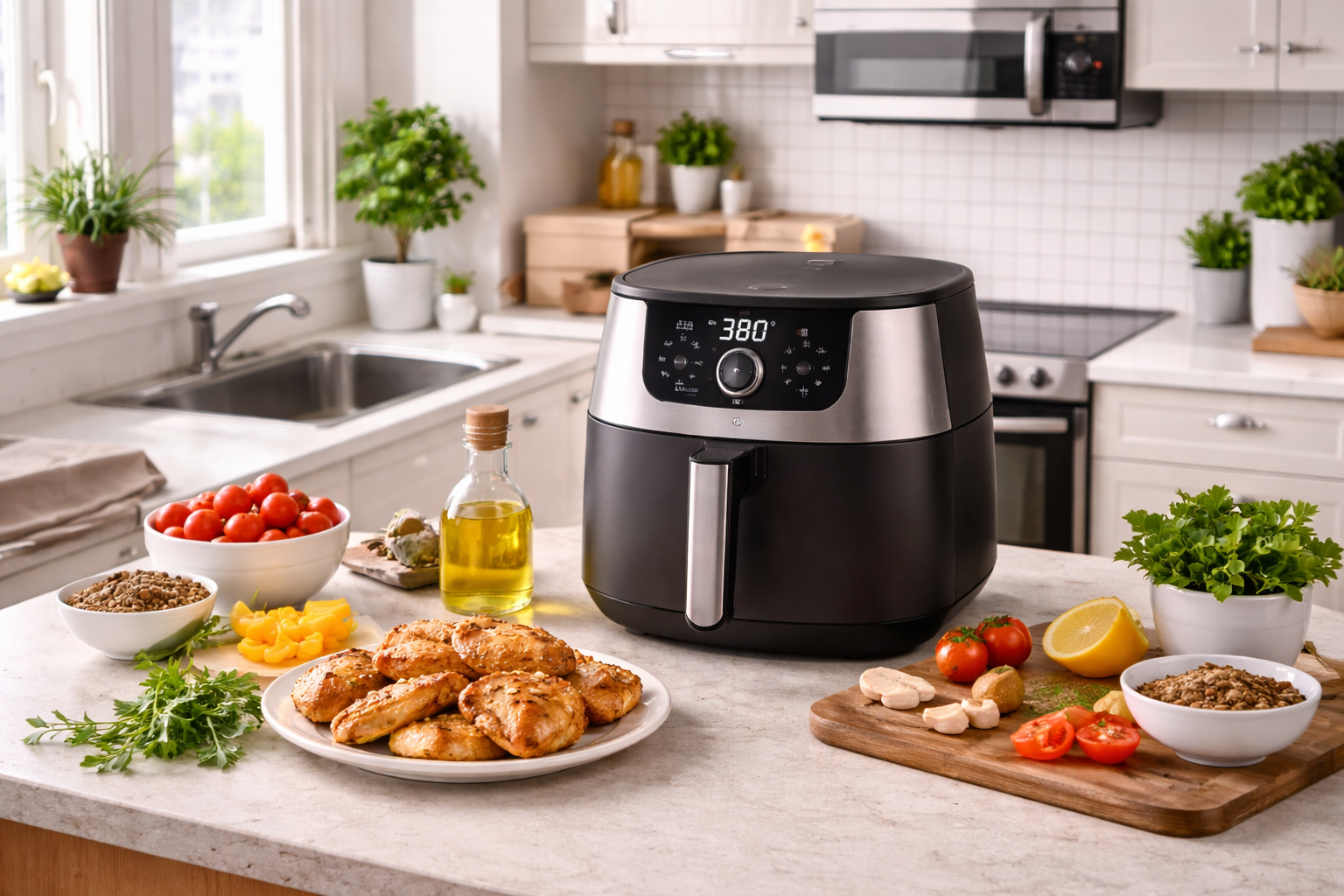
Yes, air fryers are generally safe for apartments and small kitchens when used correctly. They are designed with built-in safety features, controlled heating elements, and compact footprints that make them ideal for limited spaces.
However, safety depends on proper placement, ventilation, and usage habits. In smaller living environments where space is tight and airflow may be restricted, understanding how to use your air fryer safely becomes even more important.
Let’s break down everything you need to know to confidently use an air fryer in apartments, condos, dorms, or compact kitchens.
Why Air Fryers Are Popular in Small Spaces
Air fryers have quickly become a go-to appliance for apartment living. Their convenience and versatility make them perfect for people with limited cooking space.
They are especially popular because they:
- Replace multiple appliances (oven, toaster, fryer)
- Require minimal setup
- Cook quickly without preheating large spaces
- Fit easily on countertops
For renters or those without full kitchens, air fryers offer flexibility without sacrificing meal quality.
Built-In Safety Features of Air Fryers
Modern air fryers are designed with several safety mechanisms that make them safer than traditional cooking methods.
Automatic Shut-Off
Most models turn off automatically when cooking is complete or when the basket is removed. This reduces the risk of overheating or unattended cooking.
Temperature Control
Air fryers regulate heat precisely, preventing extreme temperature spikes that could lead to fire hazards.
Cool-Touch Exterior
Many air fryers feature insulated exteriors, reducing the risk of burns even when the appliance is running at high temperatures.
Stable Base Design
Non-slip feet help prevent tipping, which is especially important in tight kitchen spaces.
Are Air Fryers Safer Than Stovetops or Ovens?
In many cases, yes.
Compared to stovetops and ovens, air fryers:
- Do not use open flames
- Require little to no oil
- Contain heat within a closed chamber
- Reduce splatter and grease fires
This makes them a safer alternative, especially for beginner cooks or those living in smaller environments.
Key Safety Considerations for Apartments
While air fryers are safe, apartment living introduces specific factors to consider.
1. Proper Ventilation
Air fryers release heat and small amounts of steam during cooking.
In small kitchens, poor ventilation can cause:
- Heat buildup
- Lingering cooking odors
- Increased humidity
Best Practice:
- Place your air fryer near a window or vent
- Turn on kitchen fans if available
- Avoid enclosed cabinet spaces during use
2. Countertop Space
Limited space can lead to unsafe placement.
Avoid placing your air fryer:
- Too close to walls
- Under cabinets with no clearance
- Near flammable materials
Recommended Clearance:
- At least 4–6 inches on all sides
This ensures proper airflow and prevents overheating.
3. Electrical Safety
Apartments often have shared circuits or older wiring.
Air fryers typically use between 1,200–1,800 watts.
Safety Tips:
- Plug directly into a wall outlet
- Avoid extension cords
- Do not overload outlets with multiple appliances
Stable power reduces the risk of electrical issues.
4. Fire Safety
Air fryers are much safer than deep fryers, but improper use can still create risk.
Common causes of issues include:
- Grease buildup
- Blocking airflow
- Using incorrect materials inside the basket
Following proper usage guidelines minimizes fire risk.
Are Air Fryers Safe for Studio Apartments?
Yes, air fryers are especially useful in studio apartments.
They:
- Take up minimal space
- Replace larger cooking appliances
- Reduce heat compared to ovens
- Allow quick meal preparation
For single-person households, they are one of the most practical cooking tools available.
Using Air Fryers in Dorms or Shared Spaces
Some dorms or shared living spaces restrict cooking appliances.
Before using an air fryer, check:
- Building policies
- Fire safety rules
- Electrical restrictions
Many institutions allow air fryers because they are enclosed and safer than hot plates.
Common Mistakes That Reduce Safety
Even though air fryers are designed to be safe, improper use can lead to issues.
Blocking Airflow
Covering vents or placing objects too close restricts heat release.
Using the Wrong Materials
Not all materials are safe inside an air fryer.
For example, incorrect paper products can burn or block airflow. If you’re unsure about safe liner usage, read Can you use parchment paper in an air fryer? for detailed guidance.
Overfilling the Basket
Overcrowding traps heat and steam, which can lead to uneven cooking and increased internal temperatures.
Skipping Regular Cleaning
Grease buildup can:
- Produce smoke
- Affect airflow
- Increase fire risk
Cleaning after each use is essential.
Managing Heat in Small Kitchens
Air fryers produce less ambient heat than ovens, but they still generate warmth.
In small kitchens, this can feel more noticeable.
Tips to Manage Heat:
- Cook during cooler parts of the day
- Use ventilation when possible
- Avoid placing near heat-sensitive surfaces
This keeps your kitchen comfortable and safe.
Noise Considerations in Apartments
Air fryers produce fan noise while running.
In most cases, the sound is similar to:
- A microwave fan
- A small kitchen exhaust fan
For apartment living, this noise level is generally acceptable and not disruptive.
Odor Control in Small Spaces
Cooking odors can linger more in apartments.
Air fryers can produce smells depending on the food you cook.
Tips to Reduce Odors:
- Clean regularly
- Avoid burning food
- Use ventilation
- Cook with balanced seasoning
Proper maintenance keeps odors manageable.
Are Air Fryers Safe Around Cabinets?
Yes, but only with proper clearance.
Heat rises during cooking, so placing an air fryer too close to overhead cabinets can cause:
- Heat damage over time
- Reduced airflow
- Potential safety risks
Always leave vertical space above the unit.
Child and Pet Safety
Air fryers are safer than many appliances, but precautions are still necessary.
Safety Tips:
- Keep cords out of reach
- Avoid placing near counter edges
- Supervise children during use
The cool-touch exterior helps, but the basket itself can still be hot.
Long-Term Safety and Maintenance
Regular maintenance improves both safety and performance.
Key Practices:
- Clean grease and residue
- Inspect cords for damage
- Check for unusual smells or sounds
- Replace worn parts when needed
A well-maintained air fryer remains safe for years.
When an Air Fryer May Not Be Ideal
Although air fryers are safe for most apartments, there are a few situations where caution is needed.
- Extremely tight or cluttered kitchens
- Poor ventilation environments
- Outdated or unstable electrical systems
In these cases, careful placement and usage become even more important.
Final Thoughts
So, are air fryers safe for apartments and small kitchens?
Yes, they are one of the safest and most practical cooking appliances for compact living spaces. With built-in safety features, controlled heating, and minimal oil use, they offer a safer alternative to traditional cooking methods.
However, safe use depends on proper placement, ventilation, and maintenance. By following basic safety guidelines, you can enjoy fast, efficient, and reliable cooking without worrying about space limitations.
Air fryers are designed for modern living—and that includes apartments, studios, and small kitchens.